Less Than 42 Minutes of Bright Light Daily Is a Stronger Predictor of Dementia Than Obesity, Study Finds

- Scientists have found new evidence suggesting that our light exposure may have consequences for our brain health.
- In a recent study, people who were exposed to less than 42 minutes of daylight per day were 17% more likely to develop dementia.
Science Alert: 08 November 2026 - Carly Cassella
Each morning, when we open our eyes to a bright new day, our brain's 'master clock' synchronizes our body and its rhythms with the Sun.
The more light that we are exposed to on a daily basis, the better it may be for our brains in the long run.
According to recent research among nearly 88,000 older adults, those who are exposed to more daily light are less likely to develop dementia over the next decade or so.
The longer the exposure to light, either natural or artificial, the stronger the association.
In fact, spending at least 42 minutes a day exposed to bright light (5,000 lux or more) was associated with a 17 percent lower relative risk of dementia.
That's a better predictor of dementia than six other traditional risk factors, including obesity, alcohol consumption, air pollution, and hearing loss.
For 'night owls', the association was even stronger. Greater daytime light exposure was linked with up to a 41 percent lower risk of dementia.
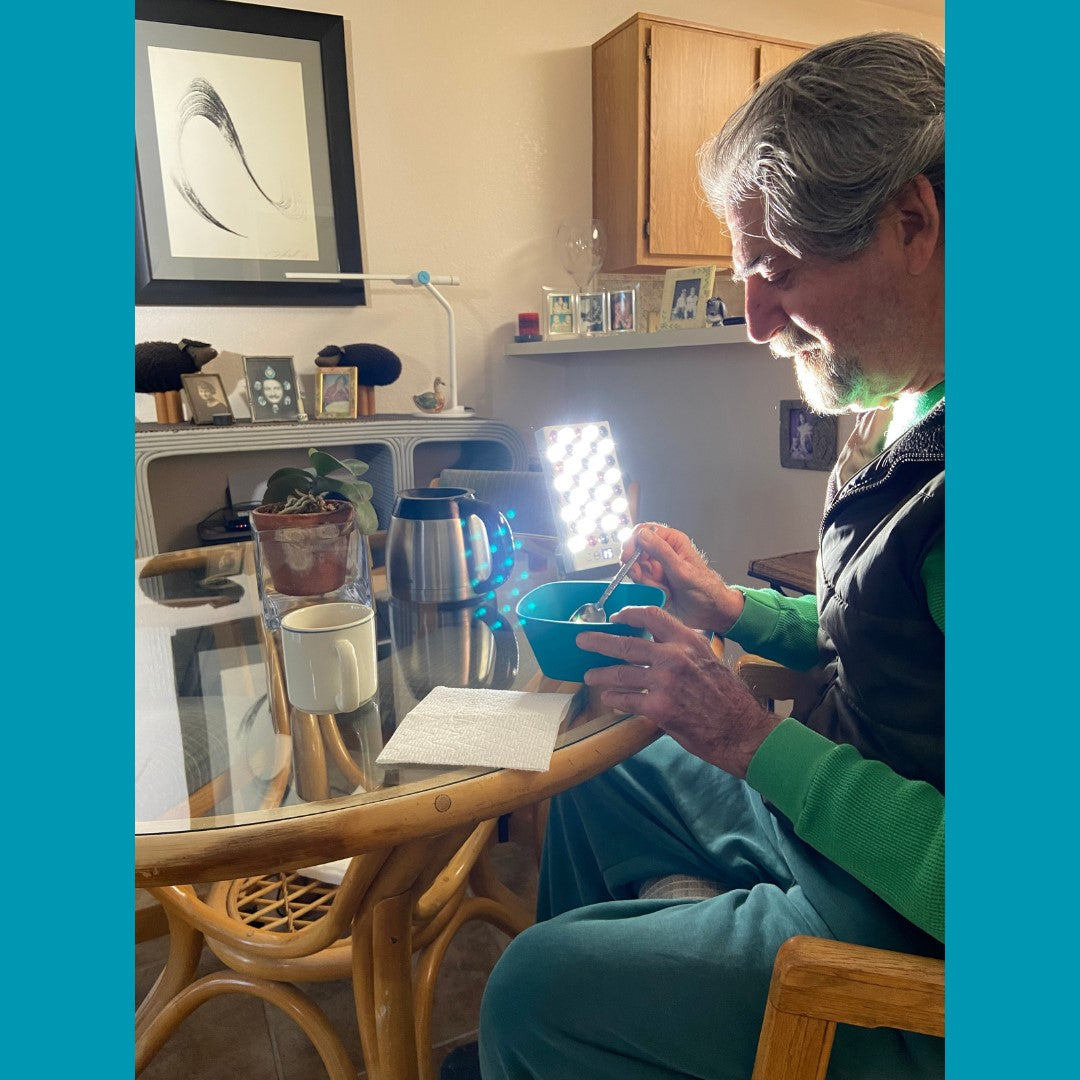
The findings, published in General Psychiatry, support the idea that light-based interventions hold promise for people at risk of cognitive decline.