.
.
SURPRISE, ARIZONA — A warning from University College London researchers that prolonged exposure to conventional LED lighting could have important biological consequences is drawing attention to a technology developed by Science of Light (SOL).
In a 25 September 2026 report, The European interviewed UCL Professor Glen Jeffery and Dr. Bob Fosbury about concerns that modern LED lighting provides substantial short-wavelength light while containing little or no near-infrared (NIR). Professor Jeffery described the potential implications as a “clear and present public health emergency” and compared the concern with asbestos.
The researchers are investigating whether the lack of longer wavelengths in conventional LED environments may affect mitochondrial function and contribute to metabolic problems. The European reports that their research includes investigating approximately 850-nanometer near-infrared light as a potential way to address the issue.
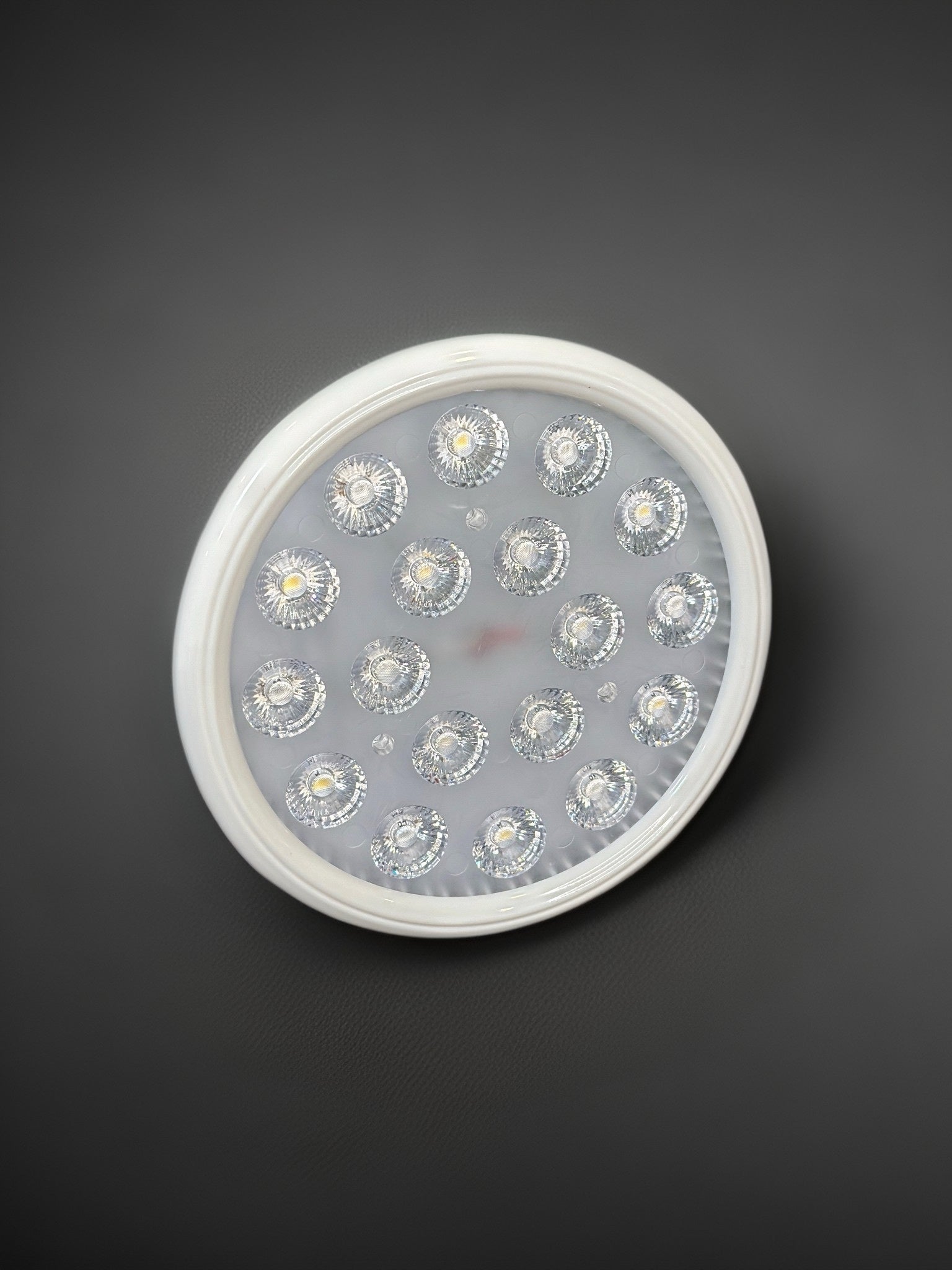
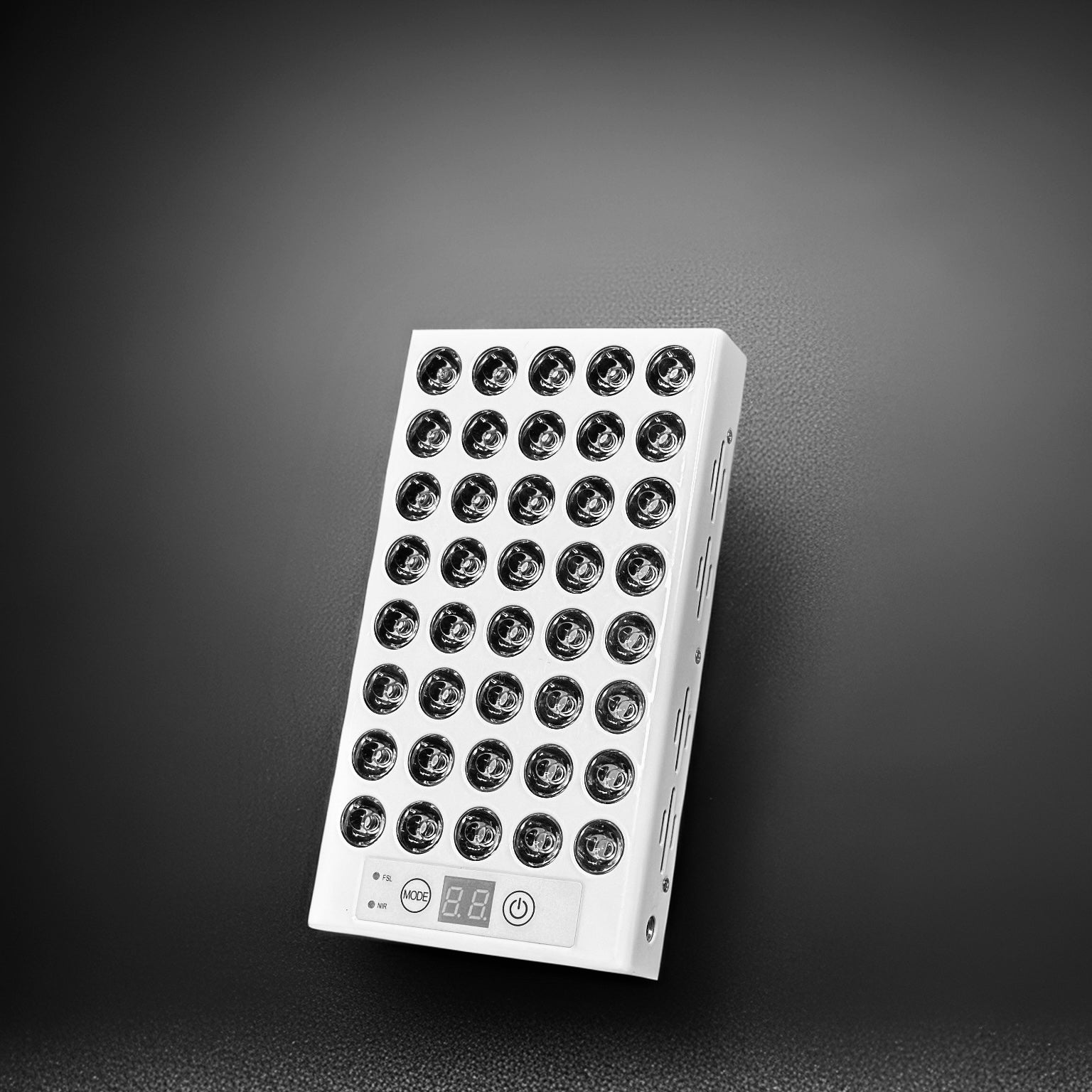
SOL says it has already patented an LED lighting technology incorporating 850-nm NIR.
U.S. Patent No. 12,337,188 B2, Method and Apparatus for Improving Eye Health with Near Infrared and Visible Light, was issued to Kenneth Ceder and Leonard Ceder in June 2025. The patent specifically describes an LED light source incorporating a NIR LED peaked at 850 nanometers, together with visible-spectrum LEDs.
“It's remarkable to see researchers now investigating 850-nanometer NIR supplementation in LED environments when our patent already specifically covers an LED lighting architecture incorporating 850-nanometer near-infrared light,” said Ken Ceder, Executive Director of Science of Light.
INCANDESCENT-LIKE LIGHT WITH LED EFFICIENCY
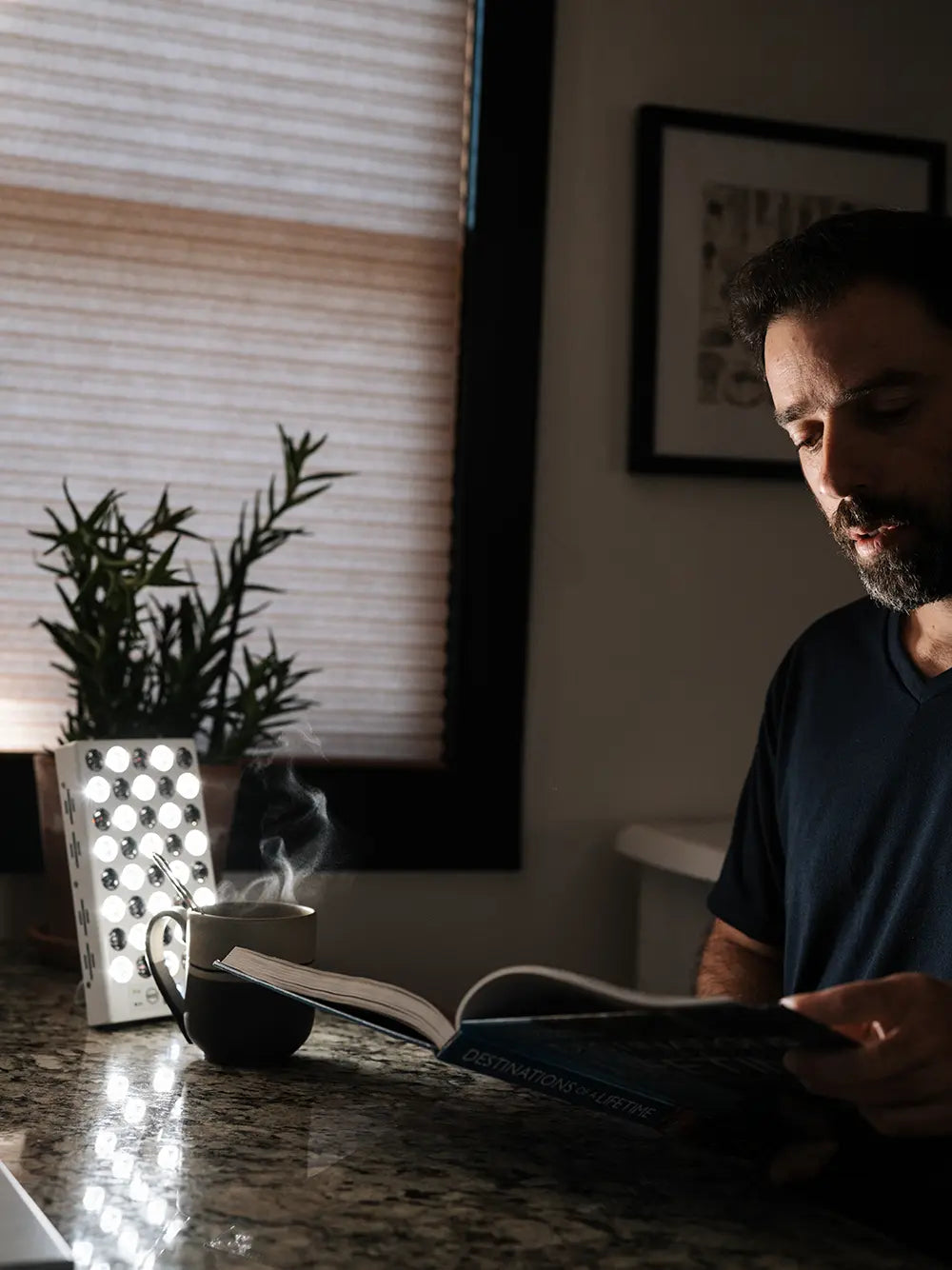
SOLshine Photo Nutrition™ was developed around a simple premise: sunlight contains far more than the wavelengths needed simply to see.
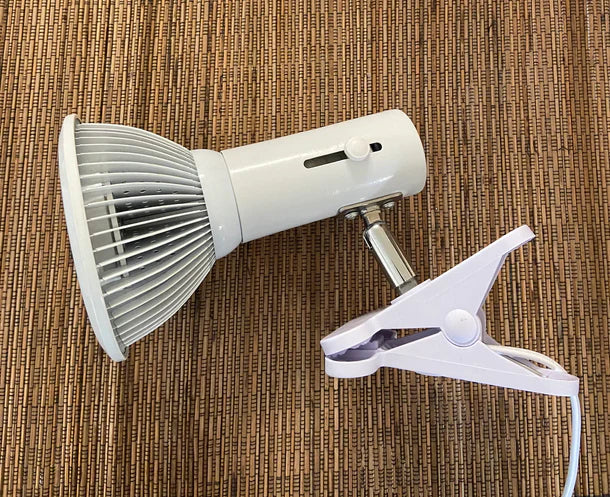
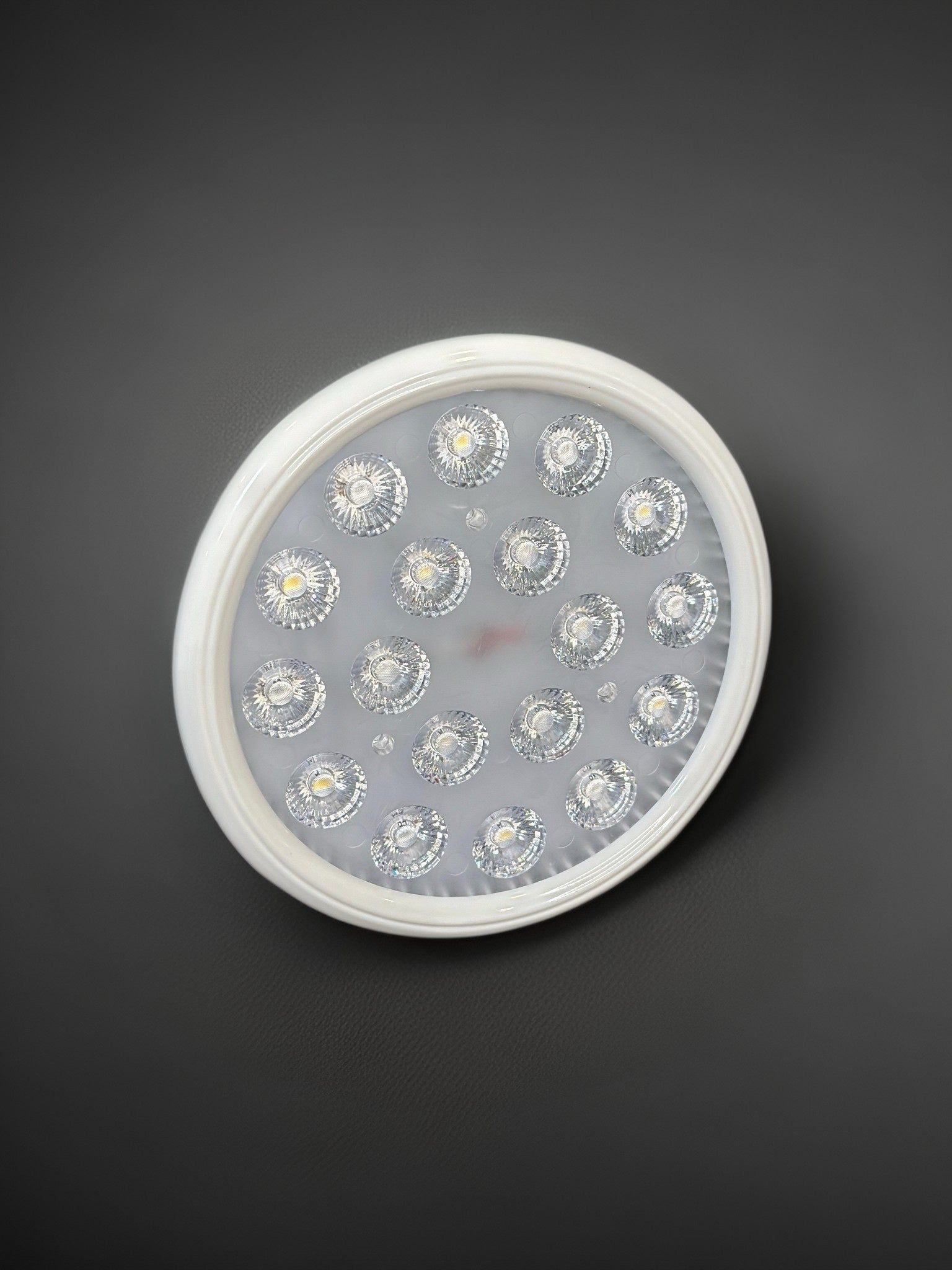
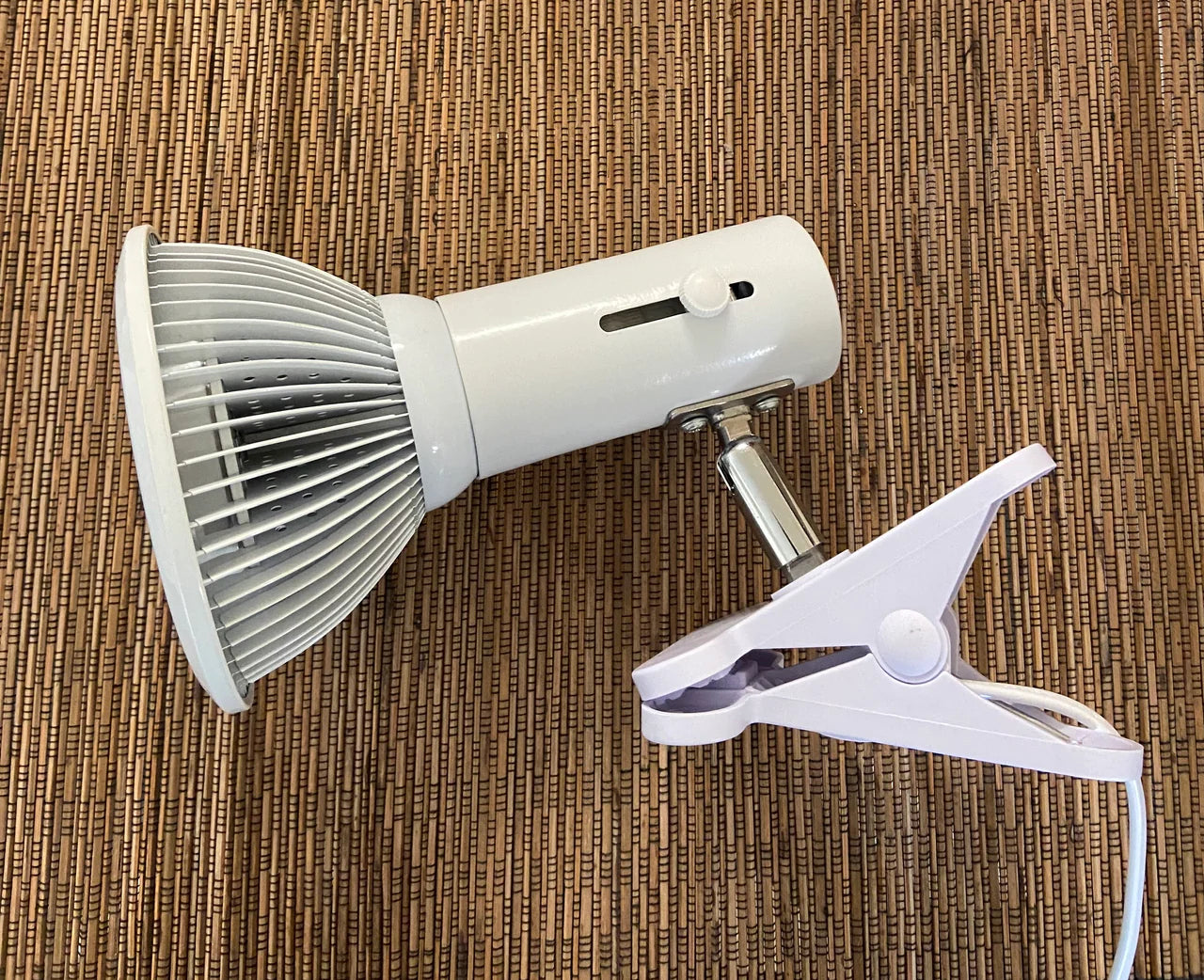
Unlike conventional white LEDs that can have a relatively limited spectrum, SOLshine combines a "full-spectrum" of visible light with red and near-infrared wavelengths. The result is designed to provide the broader, more natural spectral character associated with incandescent light while retaining the energy efficiency and long life of modern LED technology.
“Our message is simple: Sunshine outdoors. SOLshine indoors.” said Ceder. “People should get natural daylight whenever possible and especially morning sunlight to synchronize their circadian rhythm with each new day. But when they are indoors, we believe there is an opportunity to make artificial light more biologically considered.”
.
SOL calls this approach Photo Nutrition—the concept that light has biological value beyond vision—and Light Hygiene, daily lighting practices that help people live closer to the natural light environment.
A CALL FOR SIMPLE EDUCATION
.
“We have changed the spectrum of the light surrounding human beings on an unprecedented scale,” Ceder said. “We need to understand what that means.”
.
PHOTO NUTRITION GUIDE
SOL is delighted to provide a free 5-Day Video Digest — JUST one enlightening five-minute video each day. Please visit: photonutritionguide.com
Science of Light is a 501(c)(3) nonprofit R&D organization dedicated to advancing understanding of the biological importance of light.
ScienceOfLight.org | SOLshine.org
Media Contact:
Ken Ceder, Executive Director
Science of Light
Surprise, Arizona
Ken Ceder, Executive Director
Science of Light
Surprise, Arizona
ken@scienceoflight.org